Turkey · Beyond the Project
In Turkey
I can’t recall exactly how the discussion went. A friend of a friend mentioned an opportunity they'd heard of, and somewhere between that conversation and my arrival in Turkey, I signed myself up for an olive harvest. I normally try to avoid rolling the dice like this, but this was far too intriguing of an experience to pass up. That is how I ended up spending my first two weeks in the country working on a farm on the Datça peninsula.
- Host
- Knidia Ecofarm
- City
- Near Datça
- Activity
- Olive Harvest
- Duration
- Two weeks
An Olive Farm in Southwestern Turkey
Getting there took a few more connections than the friend-of-a-friend variety. After my time in Poland, I traveled to Berlin and flew from BER to DLM, on Turkey’s southwestern coast. From there, I took a coach to Marmaris, then a dolmuş, a shared minibus, to Datça. The farm was still another 30 kilometers or so to the west-northwest. I caught a lift to the closest village then trekked the rest of the way myself. As I neared my destination, I was greeted by orderly rows of grapevines and scattered olive trees.
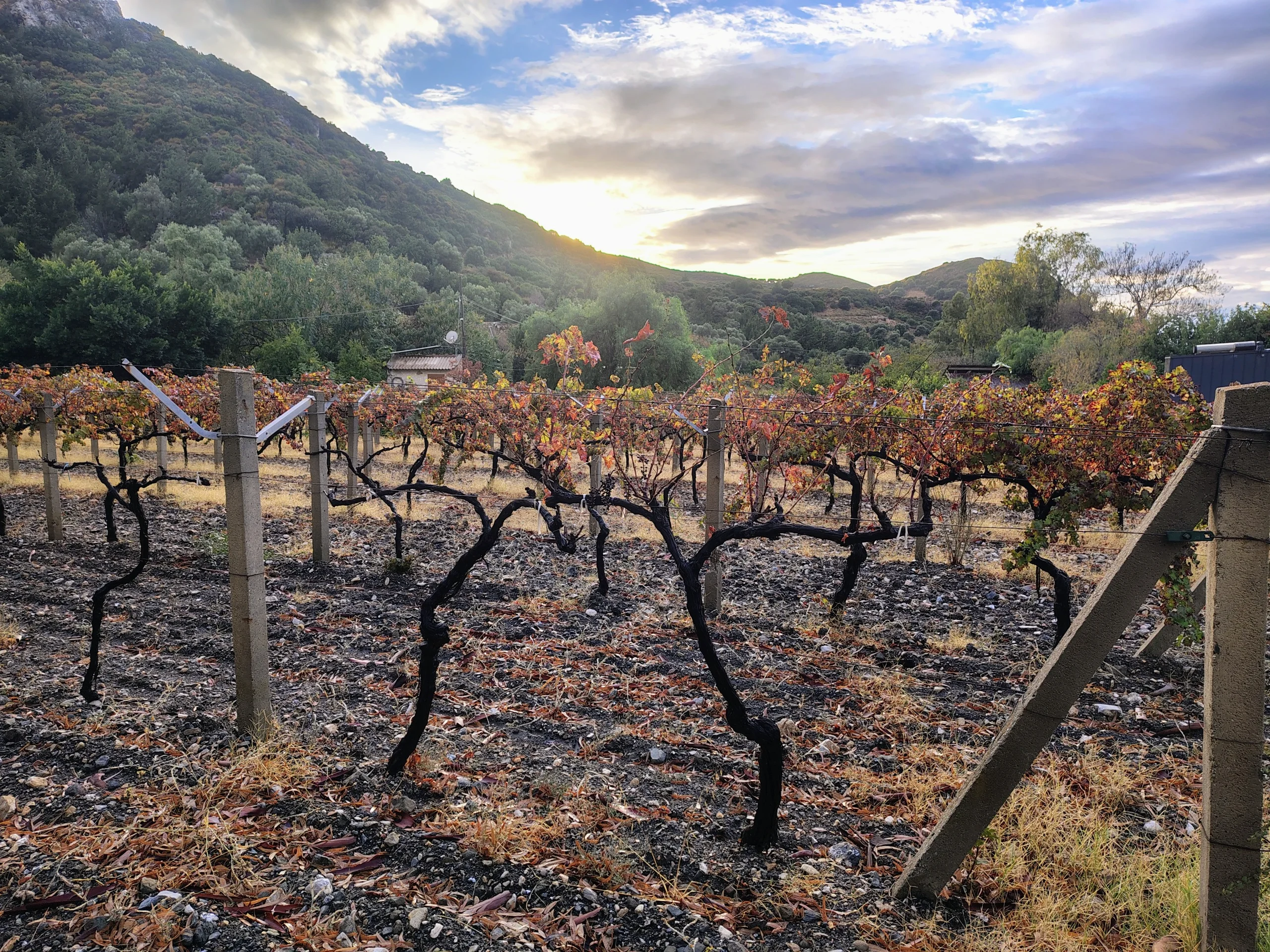
The ecofarm was tucked into a valley, with vineyards, fruit trees, and bungalows embedded into a working farm. It grew grapes, olives, almonds, lemons, and mandarins commercially, alongside a sprawling kitchen garden full of tomatoes, cucumbers, peppers, and herbs.
My main job was bringing in the harvest. My team spread large sheets beneath the trees, then worked through the branches with the zeytin hasat makineleri, shaking and combing the olives loose so they fell onto the fabric below. From there, we gathered them up and moved on to the next tree. The idea was simple enough, but the work quickly turned grueling as we hauled the gear through steep, overgrown terrace plots.
Harvesting was only part of the job. Throughout the harvest, we also processed the olives into oil, and I helped assemble, operate, and clean the machinery. The olives moved from the grove into a very different setting, with conveyors and processing equipment taking over where our harvesting tools had left off.
This part appealed to the engineer in me. I was getting to work with the machines as well as see what came out of them. And, of course, making oil also meant cleaning up afterward. That belongs in the story too, even if it is less likely to make it onto the label of a bottle.
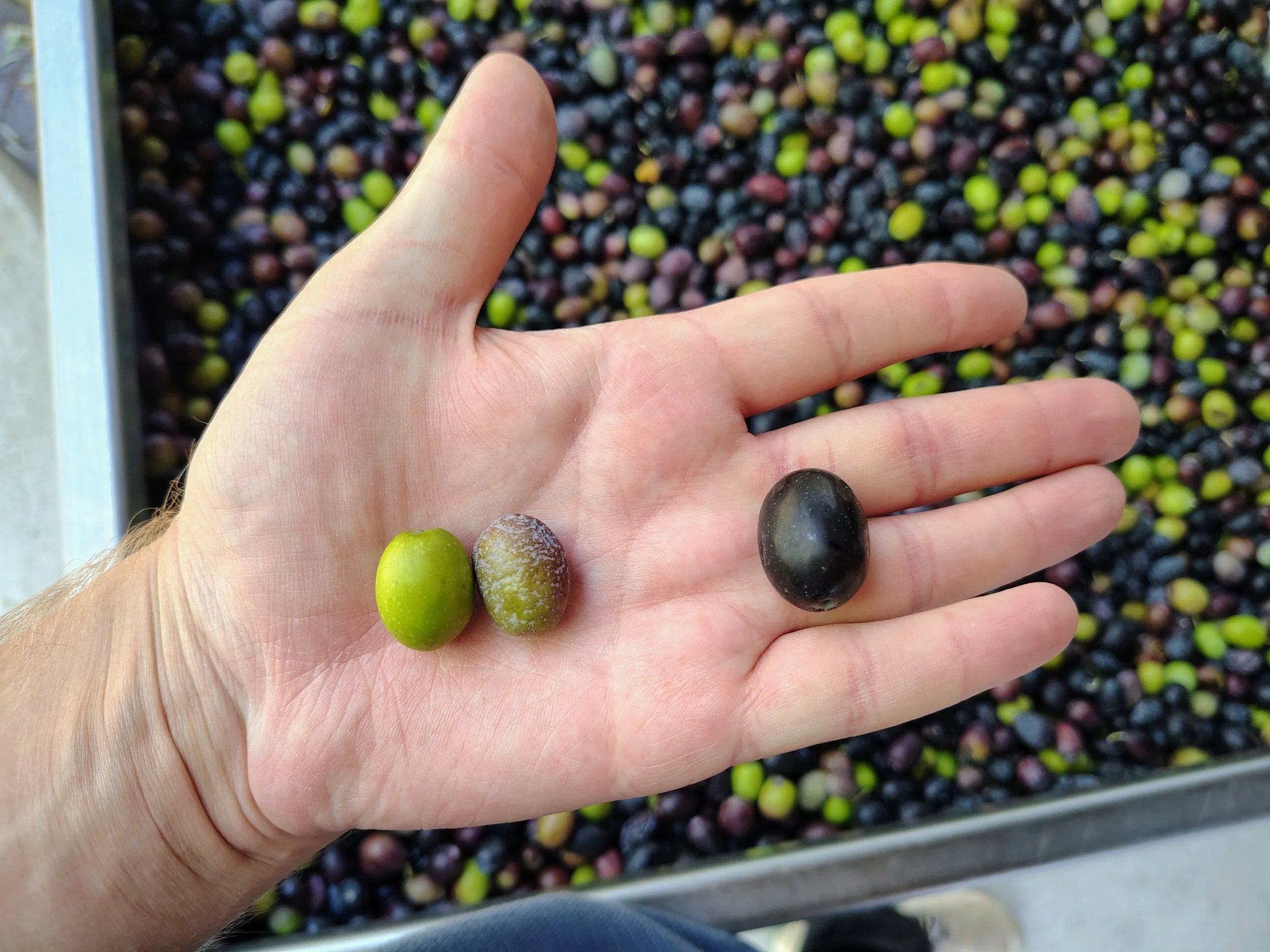
During processing, I learned more about how the timing of the harvest shapes the oil. Olives picked early, while still green, tend to produce a bold, grassy oil with some bitterness and a peppery kick. They generally yield less oil, but it is often richer in the natural antioxidant compounds that help preserve its freshness. As olives ripen, turning purple and eventually almost black, they yield more oil with a milder, rounder flavor, sometimes with buttery notes.
Once the harvest ended, I spent a few days pruning the olive trees, clearing away some of the lower growth. After all the gathering and processing, this was a satisfying change of pace. There was something nice about being able to stand back and see the difference in a single tree.
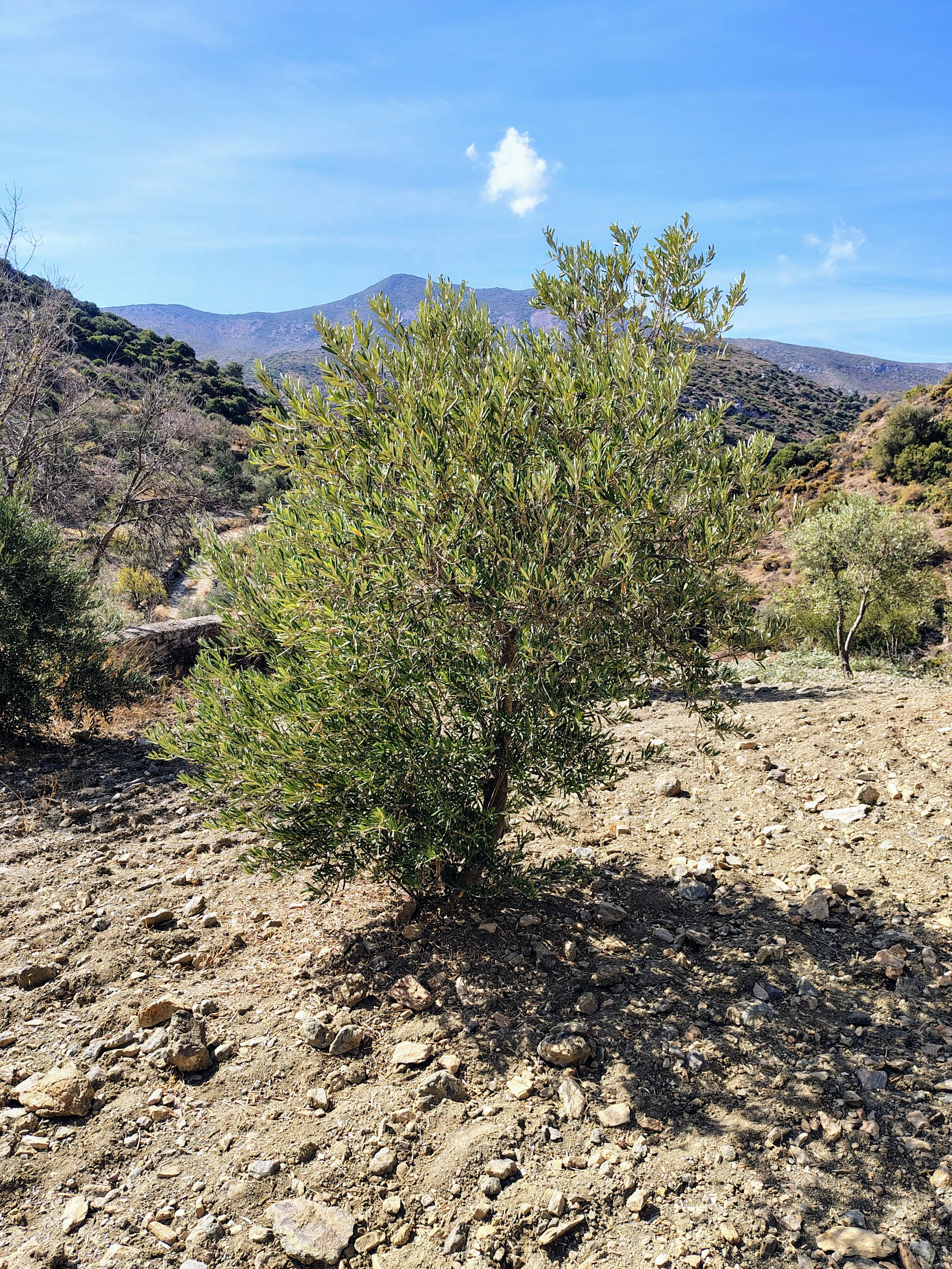
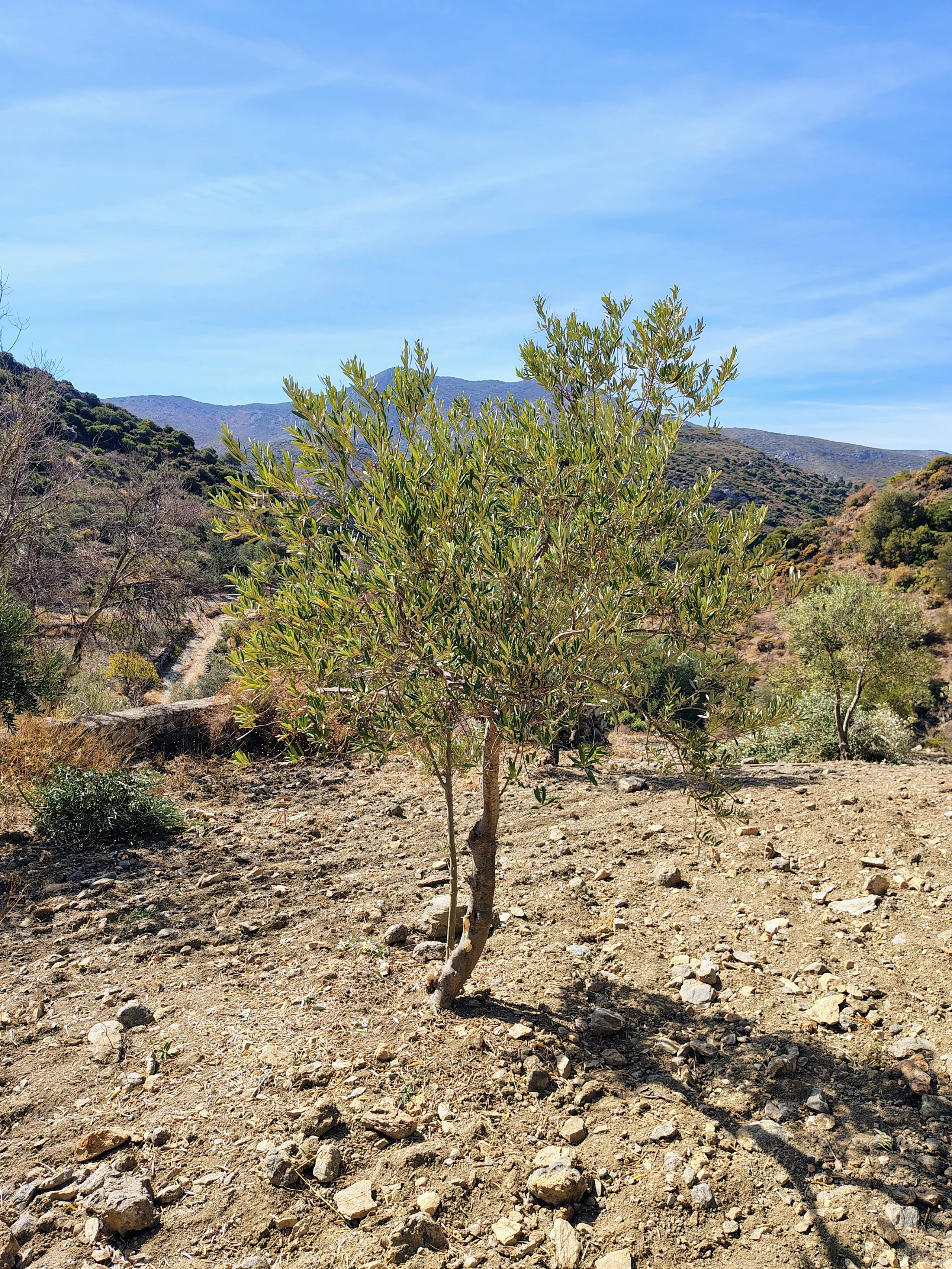
I had come because an olive harvest sounded like an experience worth having. What I enjoyed was getting to stay long enough to take part in several pieces of it, from bringing down the fruit to working with the processing equipment and tending the trees afterward. Two weeks hardly made me an olive farmer, but they gave me a much more personal connection to something I had mostly known as an ingredient.
From Olive Groves to the Big City
After leaving the farm, I headed to Istanbul with some of the other workers. The harvest had brought us together, and we weren’t quite ready to go our separate ways. Our time in the city included an outing I would not have thought to put on my Turkey itinerary: IKEA.

I’m still not entirely sure how a friend-of-a-friend introduction led me from Poland to an olive grove and then to showing someone around IKEA in Istanbul. But I’m glad I followed it. Some parts of this trip take a great deal of planning. This one began with a conversation, and I like where it took me.